


Russian troops have destroyed a laboratory for radioactive waste management at the Chernobyl nuclear power plant, occupied at the beginning of the invasion of Ukraine, as reported by the Ukrainian State Agency for the Management of Exclusion Zones.
According to this center, the laboratory cost more than 6 million euros, was located in the exclusion zone of the Chernobyl nuclear power plant and was a complex with “significant analytical and research capabilities” in the field of radioactive waste management.
The laboratory was built in 2015 with the help of EU funds for nuclear safety cooperation and, according to the statement, had equipment and analytical capabilities unique in Europe.
According to the Ukrainian statement, in the laboratory there were “highly active samples and samples of radionuclides that are now in the hands of the enemy”.
The Chernobyl nuclear power plant, after the 1986 accident, the most important in history for this type of energy, is not operational but still requires control, analysis and surveillance tasks.
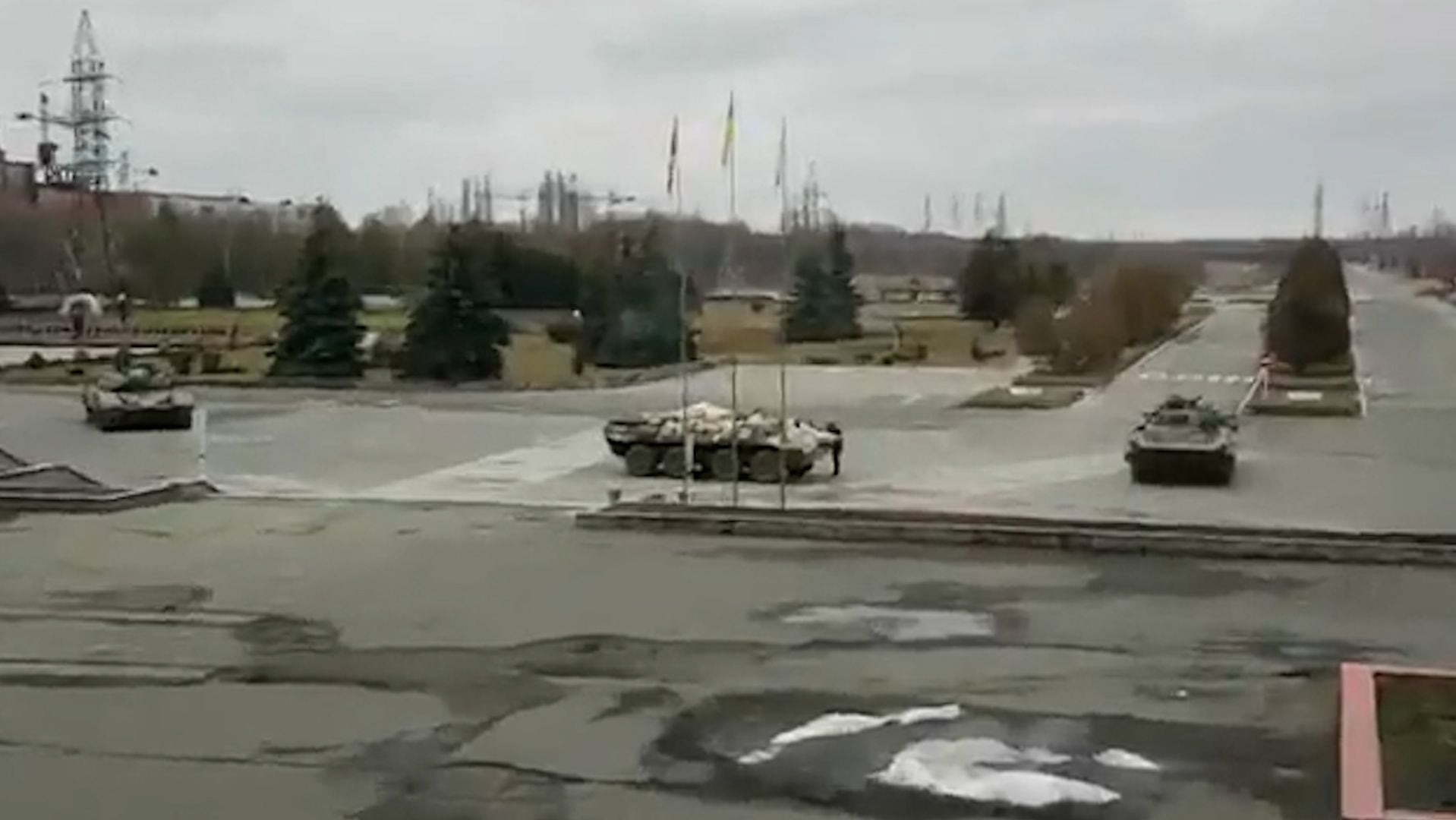
The Russian army occupied the plant, located north of Kiev, on 24 February and has been a cause of concern, along with the rest of the nuclear power plants in Ukraine, for the International Atomic Energy Agency (IAEA), since the personnel working there were detained without possibility of rest.
As reported by the IAEA, it was only last Sunday that the first rotation of personnel at the former Chernobyl nuclear plant since the start of the Russian invasion nearly a month ago was completed, allowing nearly two hundred technicians and security personnel from the plant to return to their homes to rest.
The relentless work at the plant “endangers” one of the “pillars” of nuclear safety, namely, that personnel can make decisions without external pressure.
The IAEA does not yet receive remote data transmission from its Chernobyl monitoring system, although such data is transferred to it from other nuclear power plants in Ukraine.
Employees actually feel “on the front line if an accident occurs”, especially when the power lines that supply Chernobyl remained unserviced for several days last week, a plant engineer told AFP.
The main risk for Chernobyl is “human error”, estimates a close relative of a restrained technician, who also worked at the plant, for whom the current situation already represents a “catastrophe” for the plant, with the presence of Russian soldiers who “do not know” the nature of the site.
(With information from EFE and AFP)
KEEP READING:
Últimas Noticias
Debanhi Escobar: they secured the motel where she was found lifeless in a cistern
Members of the Specialized Prosecutor's Office in Nuevo León secured the Nueva Castilla Motel as part of the investigations into the case

The oldest person in the world died at the age of 119
Kane Tanaka lived in Japan. She was born six months earlier than George Orwell, the same year that the Wright brothers first flew, and Marie Curie became the first woman to win a Nobel Prize

Macabre find in CDMX: they left a body bagged and tied in a taxi
The body was left in the back seats of the car. It was covered with black bags and tied with industrial tape

The eagles of America will face Manchester City in a duel of legends. Here are the details
The top Mexican football champion will play a match with Pep Guardiola's squad in the Lone Star Cup

Why is it good to bring dogs out to know the world when they are puppies
A so-called protection against the spread of diseases threatens the integral development of dogs


