


Russia assured this Sunday, for the second day in a row, that it used hypersonic missiles in Ukraine, this time to destroy a fuel reserve of the Ukrainian army in the south of the country.
“A large reserve of fuel was destroyed by 'Kalibr' cruise missiles fired from the Caspian Sea, as well as hypersonic ballistic missiles launched by the 'Kinzhal' aircraft system from Crimean airspace,” the Ministry of Defense said in a statement.
The ministry added that this attack occurred in the Mikolaiv region, but did not specify the date.
The hypersonic ballistic missiles “Kinzhal” (“dagger” in Russian) and the cruise missiles “Zircon” belong to a family of new “hypersonic” weapons developed by Russia, which President Vladimir Putin calls “invincible” because they are supposed to bypass the adversary's defense systems.
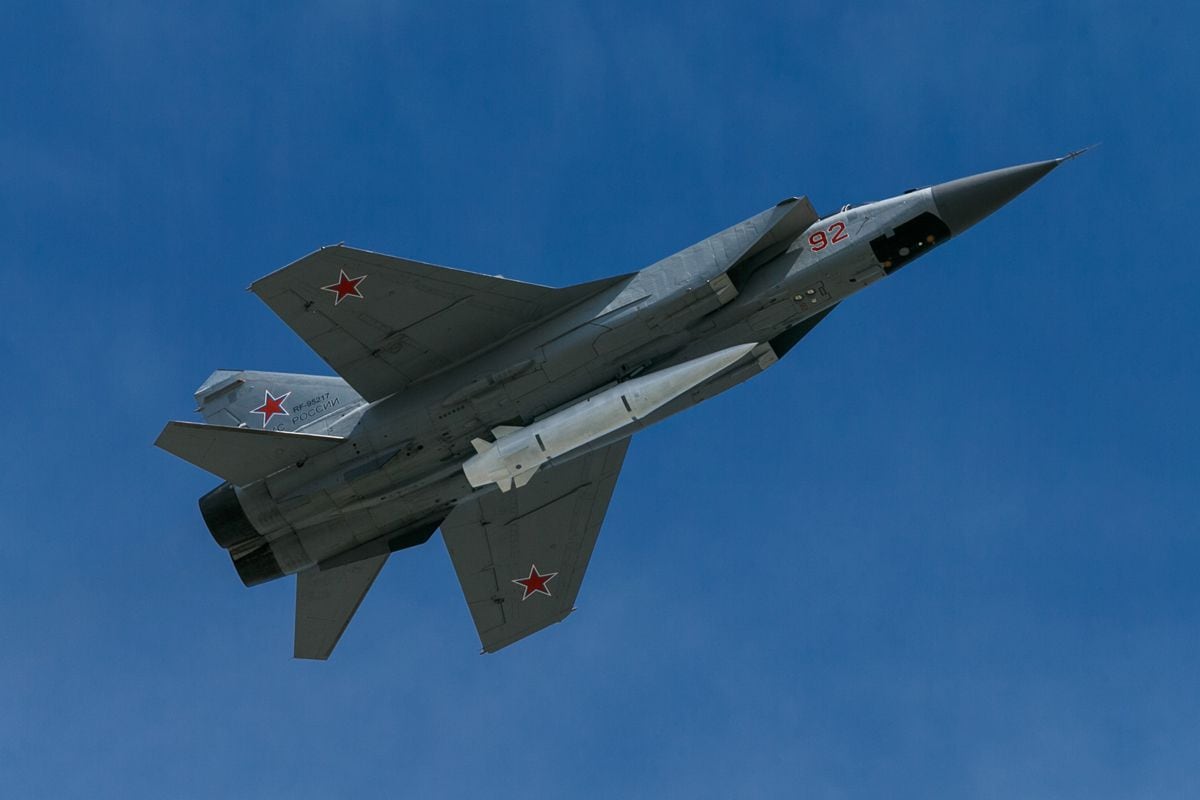
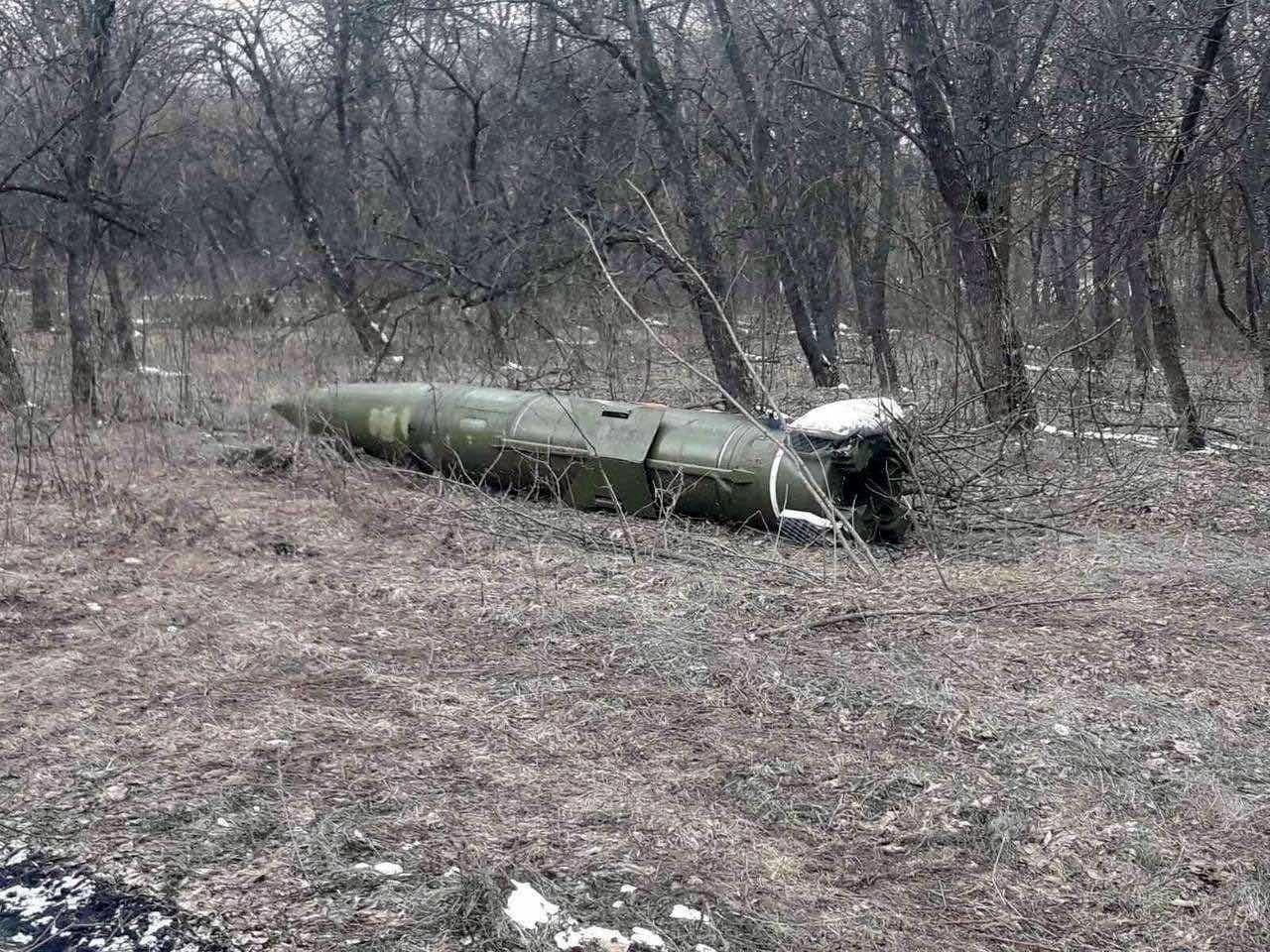
It was the second day in a row that Russia used Kinzhal, a weapon capable of hitting targets 2,000 kilometers (1,250 miles) away at a speed 10 times that of sound. It would be the first known use in real combat conditions of this system that was first tested in 2018.
For its part, the United States confirmed this Sunday that Russia has used hypersonic missiles in the Ukrainian war, thus becoming the first known use of such missiles in combat, CNN said. US officials have explained that “it is likely” that these launches were intended to “test the weapons and send a message to the West” about Russian capabilities, several sources have told the channel.
Meanwhile, the Russian Defense Ministry said on Sunday that “high-precision missiles” fired by Moscow had hit a training center for Ukrainian special forces in the Khitomir region, 150 kilometers west of Kiev. “More than 100 members of the (Ukrainian) special forces and foreign mercenaries were killed” in the attack, said the Russian ministry. These claims could not be verified independently in the immediate future.
The British Ministry of Defence said that Ukrainian airspace remained effectively defended and Russia had failed to control it, something that was one of the key objectives of the Kremlin.
Ukraine had around 100 S-300 anti-missile batteries before President Vladimir Putin launched the invasion last month, and the Russian army is credited with destroying some 40 at the beginning of the war on February 24, former US soldier Brent Eastwood, defense editor in '1945′, recently wrote a magazine in line on foreign policy.
The country is huge and just protecting one city is enough, he told AFP. “If I were a war strategist for Ukraine, I would want four S-300 batteries for each quadrant of Kiev. That deployment would help me sleep more peacefully at night,” he said.
(With information from AFP)
KEEP READING:
Últimas Noticias
Debanhi Escobar: they secured the motel where she was found lifeless in a cistern
Members of the Specialized Prosecutor's Office in Nuevo León secured the Nueva Castilla Motel as part of the investigations into the case

The oldest person in the world died at the age of 119
Kane Tanaka lived in Japan. She was born six months earlier than George Orwell, the same year that the Wright brothers first flew, and Marie Curie became the first woman to win a Nobel Prize

Macabre find in CDMX: they left a body bagged and tied in a taxi
The body was left in the back seats of the car. It was covered with black bags and tied with industrial tape

The eagles of America will face Manchester City in a duel of legends. Here are the details
The top Mexican football champion will play a match with Pep Guardiola's squad in the Lone Star Cup

Why is it good to bring dogs out to know the world when they are puppies
A so-called protection against the spread of diseases threatens the integral development of dogs


